Looking for Picking tips for Vegetables in 2024? Scroll down this page and follow the links. And if you bring home some fruit or vegetables and want to can, freeze, make jam, salsa or pickles, see this page for simple, reliable, illustrated canning, freezing or preserving directions. There are plenty of other related resources, click on the resources dropdown above. If you are having a hard time finding canning lids, I've used these, and they're a great price & ship in 2 days.
If you have questions or feedback, please let me know! There are affiliate links on this page. Read our disclosure policy to learn more.
What's in season in April 2024, and other timely information:
Notes for April 2024: Spring is here! Strawberry season is here. It started in February in Florida, Texas, southern California and a few other areas of the Deep South; then March along the Gulf coast, April in the Deep South and west coast, May through much of the country, and June in northern areas. Blueberries are next, about a month later. Of course, cool weather crops, like Rhubarb, asparagus and greens should be available almost everywhere. Check your area's copy calendar (see this page) and call your local farms for seasonal updates.
You may also be interested in finding a local:
- Children's Consignment Sale happening now; save money on children's clothes, toys, books, etc, find a local children's consignment sale, also often held by churches in the Spring and Fall, click here!
- Fun factory tours - usually free, fun and educational, find them in every state here!
- Road trip or a Camping trip - Find free and low-cost, but fun, interesting places to visit and things to do and see!
We also have home canning, preserving, drying and freezing directions. You can access recipes and other resources from the drop down menus at the top of the page or the site search. If you have any questions or suggestions, feel free to write me! It is easy to make your own ice cream, even gelato, or low fat or low sugar ice cream - see this page. Also note, there are many copycat website listing U-pick farms now. They have all copied their information from here and usually do not ever update. Since 2002, I've been updating the information every day but Christmas; so if you see anything wrong or outdated, please write me!
Picking tips for Vegetables
Picking Tips for Vegetables!
(click here for fruit picking tips)
See below for tips on picking the best quality vegetables (and some fruit that are commonly considered to be vegetables! )
|
ASPARAGUS
|
Asparagus can be harvested the third year after planting crowns, but do not harvest for more than one month the first time. In the following years, the spears may be harvested in May and June. Harvest spears 5 to 8 inches tall by cutting them or snapping them off. Cutting may damage some spear tips that have not yet emerged from the ground. To snap a spear, bend it from the top toward the ground. Asparagus deteriorates rapidly after harvest. If it is not eaten immediately, it should be processed or refrigerated. |
|
LIMA BEANS
|
Pick lima beans when the pods are well-filled but before they turn yellow. The end of the pod should feel spongy. |
|
SNAP BEANS
|
Snap beans are best when the pods are firm and snap readily, but before the seeds within the pod develop. The tips should be pliable. |
|
BEETS
|
Harvest beets when they are 1-1/4 to 2 inches in diameter. The beet tops can also be eaten as greens. The leaves should be 4 to 6 inches long. |
|
BROCCOLI
|
Cut broccoli when the buds are compact but before they turn yellow or open into flowers. Leave 5 to 6 inches of stem attached. Side shoots that develop in the axils of the leaves can also be used. |
|
BRUSSELS
|
The small sprouts may be picked or cut when they are firm and about 1 inch in diameter. Pick the lower sprouts as soon as they are large enough for use. Lower leaves may be removed to allow more room for sprouts to develop. |
|
CABBAGE
|
Cut the heads when they are solid, but before they crack or split. In addition to harvesting the mature heads, you can harvest a later crop of small heads or sprouts that develop on the stumps of the cut stems. The sprouts will be 2 to 4 inches in diameter and should be picked when they are firm. |
|
CARROTS
|
Carrots are ready for use when they are young, crisp, and 1/2 to 1 inch in diameter. The sugar content is higher in mature carrots, but the younger ones are more tender. Carrots planted in the summer may be left in the ground until a killing frost. A straw mulch can be placed over the row so that the carrots can be harvested until the ground freezes solid. |
|
CAULIFLOWER
|
Harvest before the heads become overmature and "ricey." The heads should be compact, firm, and white. To keep the head white, tie the outer leaves together over the center of the plant when the head begins to form. Cauliflower will grow 6 to 8 inches in diameter and is ready for harvest 7 to 12 days after blanching. |
|
CHARD
|
Use the leaves as they become 8 to 10 inches long while they are still young and tender. New leaves will continue to grow from the center of the plant. |
|
CHINESE
|
Cut the entire plant at the ground line when the heads are compact and firm. Harvest before the seedstalks form in the early summer, and before freezing temperatures in the fall. |
|
CORN
|
Pick corn when the silk turns dark and starts to shrivel. The kernels should be bright, plump, and milky. This stage occurs about 20 days after the appearance of the first silk strands. To harvest, snap off the ears by hand with a quick, firm, downward push; then twist and pull. Corn is at its prime eating quality for only 72 hours before becoming overmature. |
|
CUCUMBERS
|
Cucumbers may be picked when they are 2 inches long or less for pickles, 4 to 6 inches for dills, and 6 to 8 inches for slicing varieties. A cucumber is at its highest quality when it is uniformly dark green, firm, and crisp. Cucumbers are past their prime if they are large, dull, puffy, and yellow. Remove old fruits from the vine so that young fruits will develop. |
|
EGGPLANT
|
Harvest eggplant when the fruits are 6 to 8 inches long, glossy, and have a uniformly deep color. The fruits are overmature when they become dull, soft, and seedy. Use a knife or pruning shears to cut the fruit off the plant. Leave the green calyx attached to the fruit. |
|
ENDIVE OR
|
Cut the plants at the ground level when they are fully developed (10 to 12 inches across) and the center leaves have been blanched. |
|
GARLIC |
Pull up the bulbs when the tops start to yellow and dry. Place the bulbs on screens to dry. When dry, trim the roots out close to the bulb, remove the loose outer sheaths, and store under cool, dry conditions. |
|
GREEN
BEANS
|
Beans are a warm weather crop, and cannot tolerate any frost nor cold soil. In the U.S. green beans typically peak during July through October in the South, and in August and September in the North. But they can be ready as early as early June in many places, as they only take 45 to 60 days from the time the seed is planted! For more green bean picking, preserving and cooking tips, click here! |
|
HORSERADISH |
Dig the roots anytime from late fall after a hard freeze until growth starts in the spring. |
|
JERUSALEM |
Dig the tubers anytime from September until after a frost, and in the spring before the new growth starts. |
| KALE | Break off the outer leaves as they become 8 to 10 inches long. New leaves will continue to grow from the center of each plant. |
| KOHLRABI | The best time to harvest is when the bulbous part is 2 to 3 inches in diameter (size of a golf ball). Large, older kohlrabi is tough and woody and may have an off flavor. The young leaves can be cooked like spinach. |
| LEEK | Harvest in late summer and fall by loosening the soil with a spading fork and pulling out the plant. Cut off the roots and all but 2 inches of the green leaves. |
| LETTUCE | Leaf lettuce reaches maximum size in 50 to 60 days. Cut or pull the outer leaves (4 to 6 inches long) as you can use them. Butterhead varieties form small, loose heads that are ready in 60 to 70 days. |
| MUSKMELONS | They develop their best flavor when they ripen in warm, dry weather. As the melon ripens, the stem separates readily from the fruit. After harvesting, the fruit can be held at room temperature for 1 to 3 days until the blossom end softens. |
| MUSTARD | Harvest the leaves when they are young and tender, about 6 to 8 inches long. In the summer, the leaves become tough and develop a strong flavor. |
| OKRA | The okra pods should be harvested while they are immature and still tender (2 to 3 inches long). The large pods become tough and woody. The pods must be picked at least every other day if you want the plants to remain productive. |
| ONIONS | Green onions may be harvested when the tops are 6 inches high and the stem is the thickness of a pencil. Harvest dry onions in late July or early August after most of the tops have fallen down. Allow the bulbs to air dry for a day or two after digging. Then they can be stored in a dry shelter on slats or screens, or hung in small bunches. Complete drying or curing takes 2 to 3 weeks. After curing, the tops should be cut 1-1/2 to 2 inches long. Place the bulbs in dry storage with good air circulation. |
| PARSNIPS | Parsnips should be left in the ground until the tops freeze, since they are not fully flavored until after early frosts. The moderate sizes are best. Larger ones may be woody. If you do not have storage facilities, you can leave the roots in the ground and mulch them with straw so they can be dug up throughout the winter. |
| PEAS | Pick them when the pod is full and green and the peas are still tender and sweet. Test for maturity frequently by picking a couple of pods and examining them for firmness. Harvest the Chinese and snow peas, which are eaten pod and all, when the pods are 1-1/2 to 2 inches long and the peas are about the size of BB's. The pods are usually picked 5 to 7 days after flowering. |
| PEANUTS | Harvest in early to mid-October, before a hard freeze. The plants turn yellow when they are mature. Dig up the entire plant and shake the soil off the peanuts. Cure them by stacking the plants in an open shelter or by hanging them in a warm, dry shed or garage for a week. After the plants have dried, shake off any remaining soil and pull the peanuts from the vine. Continue to air dry for another week or two. When the peanuts are dry, they are ready to shell or roast. |
|
PEPPERS
|
Fruits may be harvested at any size, but they are usually picked when they are full-grown and mature. They may be left on the plant to ripen fully to a red or yellow color, when they will be mellower and sweeter. Hot peppers, except Jalapeno (which remains green when ripe), are usually harvested at the red ripe stage. |
| POTATOES | "New" potatoes can be dug before the vines die. For large potatoes, wait until the vines die. Use a spading fork. Dig 4 to 6 inches beneath the soil surface. Handle the tubers gently during harvest to avoid bruising. |
| PUMPKINS | Allow them to ripen fully on the vine, but pick them before the first heavy freeze. The fruit should have a deep-solid color and a hard rind. Cut pumpkins from the vine, leaving 3 to 4 inches of the stem attached. Pumpkins without stems do not store well. Store in a cool, dry area (50 to 55F.). |
| RADISHES | For the best flavor, start thinning and eating radishes when they are the size of marbles. They will be good up to 1 inch in diameter. After that, they may become hot and pithy. |
| RHUBARB | Do not harvest the first year. Harvest only for 1 to 2 weeks the second year. Thereafter, stalks may be harvested for 8 to 10 weeks. To harvest, pull the leafstalks from the plant. Only the stem (petiole) is used, since the leaves contain large amounts of oxalic acid and should not be eaten. |
| SPINACH | Spinach may be harvested from the time the plants have 6 to 8 leaves until the seed stalk develops. For the best quality, cut while young. Cut the entire plant off at the soil surface. |
| SQUASH | Summer squash should be harvested while still young and tender - 6 to 8 inches in length and 1-1/2 to 2 inches in diameter. Scallop squash are best while small, 3 to 4 inches in diameter and a grayish or greenish-white in color. Squash grow rapidly and are usually ready to pick 4 to 8 days after flowering. Harvest winter squash when the vines have died back and the fruit has a hard ring, but before a heavy frost. Cut squash from the vines carefully, leaving 2 inches of stem attached. Avoid cuts and bruises. Store in a dry location at 50 to 55F. |
| SWEET POTATOES |
Harvest in the fall before frost kills the vine. Handle carefully when digging to avoid bruises. After digging, let the roots lie exposed for 2 or 3 hours to dry thoroughly, then put them in a warm room at 85F. to cure for about 10 days. Store at 50 to 55F and 85 percent humidity. |
| TOMATOES | During hot summer weather, pick the tomatoes when they have a healthy pink color and let them ripen indoors. Tomatoes do not need to be in the sunlight in order to ripen. If you have green fruit on the plants in the fall when frost is approaching, pick the tomatoes and store them in a cool, dark place to ripen. |
| TURNIPS | Harvest when the roots are 2 to 3 inches in diameter. The tops can be used for greens when they are 4 to 6 inches long. Turnips can be left in the ground after a heavy freeze and mulched with straw for harvest during the early winter. |
| WATERMELONS | Use a combination of the following indicators
to determine when watermelons are ripe; (1) light-green, and when the
curled tendril near the stem begins to shrivel and dry up; (2) the surface
color of the fruit turns dull; (3) the skin is rough and resists
penetration by a thumbnail; and (4) the bottom of a melon where it touches
the ground turns from a light green to a yellowish color. Watermelons will
not continue to ripen after harvest. |
Frequently Asked Questions
Q. I have a zillion tomatoes on the vine right now....So many in fact that I cannot keep up with the canning of them. Is it possible to freeze the tomatoes whole and then later, when canning season starts to wind down, thaw them and then can them in a boiling water bath or pressure canner (depending on what I am making)?
A. Yes. In theory, you should blanch them first, but in practice, if they will only be in the freezer for a few months, I just use a 60 second blanch followed by ice cold water to slip the skins off, squeeze out excess water, then freeze them in a ziploc bag.
| See here for related tools, equipment, supplies on Amazon See here for related tools, equipment, supplies on Amazon See here for related tools, equipment, supplies on Amazon 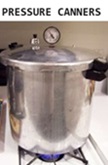
|
Home Canning KitsThis is the same type of standard canner that my grandmother
used to make everything from applesauce to jams and jellies to tomato and
spaghetti sauce. This complete kit includes everything you need and
lasts for years: the canner, jar rack, Jar grabber tongs,
lid lifting wand, a plastic funnel,
labels, bubble freer, and the bible of canning, the Ball Blue Book. It's
much cheaper than buying the items separately. You will never need anything else except jars & lids! To see more canners, of different styles, makes and prices, click here!For more information
and current pricing: |
|
|
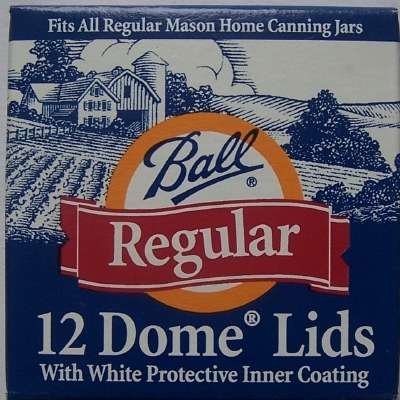
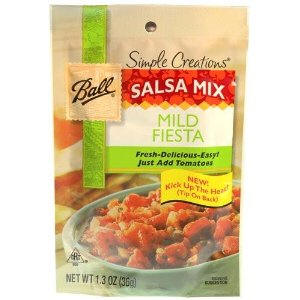
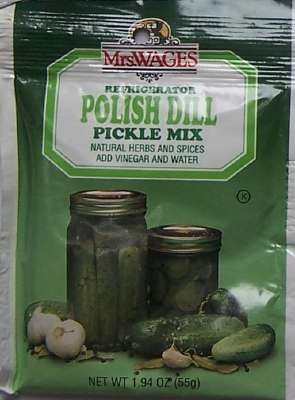
Lids, Rings, Jars, mixes, pectin, etc.Need lids, rings and replacement jars? Or pectin to make jam, spaghetti sauce or salsa mix or pickle mixes? Get them all here, and usually at lower prices than your local store! |


Looking for canning equipment and supplies?
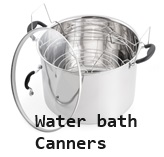
Water bath canner with a jar rack
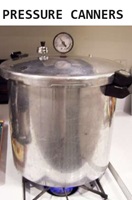
Pressure canners for gas, electric and induction stoves: Presto 23Qt or T-fal 22Qt
Canning scoop (this one is PERFECT)
Ball Blue book (most recent version)
Find Other types of farms:
- Easter egg hunts
- Children's consignment sales
- Farm markets and roadside stands
- Road trips and camping resources
- Local Honey, apiaries, beekeepers
- Local Meat, Milk and Eggs
- Consumer fraud and scams information
- Home canning supplies at the best prices on the internet!
- Maple Syrup Farms, sugarworks, maple syrup festivals
- Environmental information and resources
- Farms For Your Event for birthday parties, weddings, receptions, business meetings, retreats, etc.
- Festivals - local fruit and vegetable festivals
- Pumpkin patches and corn mazes
- Christmas Tree Farms and lots
Get the
most recent version of
the Ball Blue Book
Get the
most recent version of
the Ball Blue Book of Home Canning
Find other types of farms:
- Easter egg hunts
- Children's consignment sales
- Farm markets and roadside stands
- Local Honey
- Local Meat, Milk and Eggs
- Road trip and camping
- Pumpkin patches and corn mazes
- Christmas Tree Farms and lots
- Maple Syrup farms and sugarworks
Highly rated canning supplies:
- Regular Mouth Canning Lids with food-grade with BPA Free Silicone seals for Ball, Kerr Jars for Canning
- Canning accessories kit: funnel, jar tongs, lid lifter, etc
- Food Dehydrator, 400W Electric with 8 Trays, 48 hour Timer and Temperature Control 95-176℉, BPA-Free
- Water Bath Canner, 21 Qts with lid, Jar Rack, Speckled Black, cans 7 quart jars, 9 pint jars or 13 half-pint jars
- Air Fryer: Instant Pot Instant Vortex Plus XL 8QT Clear Windows, Custom Programming, 8-in-1 Functions that Crisps, Broils, Roasts, Dehydrates, Bakes, Reheats
- Pressure canner: All American 921, 21.5qt Pressure Cooker/Canner, never needs gaskets, Great for Gas, Electric or Flat Top Stoves - Made in the USA
- The Backyard Homestead:a guide to homesteading , on 1/4 acre, how to raise grains and vegetables; raise animals for meat, eggs, and dairy; and keep honey bees
- Smart silent HEPA Air Purifiers for Home, Large Rooms for Allergies, Smoke, Pets. Eliminates 99.97% of Dust, Pet Hair, Odors